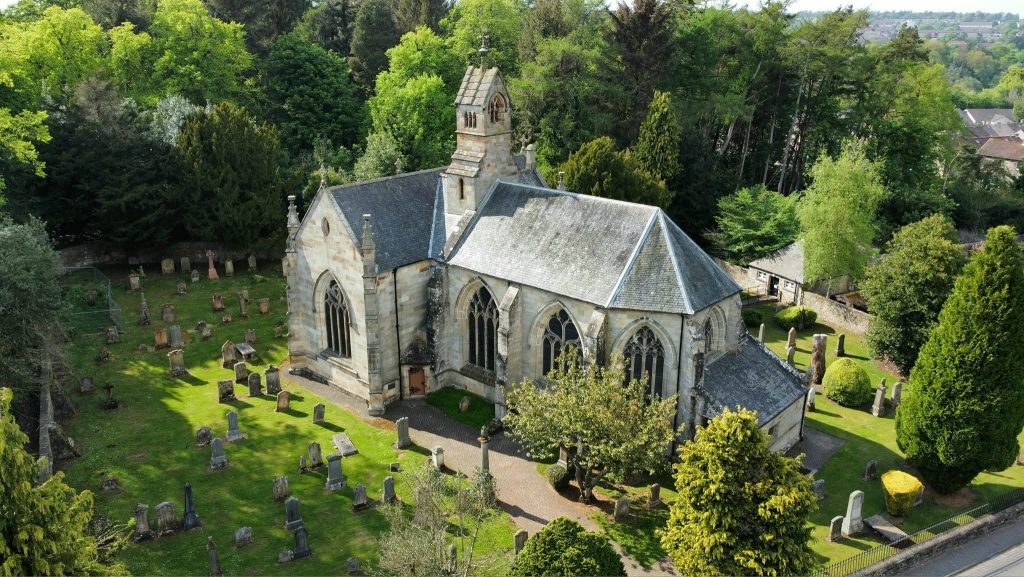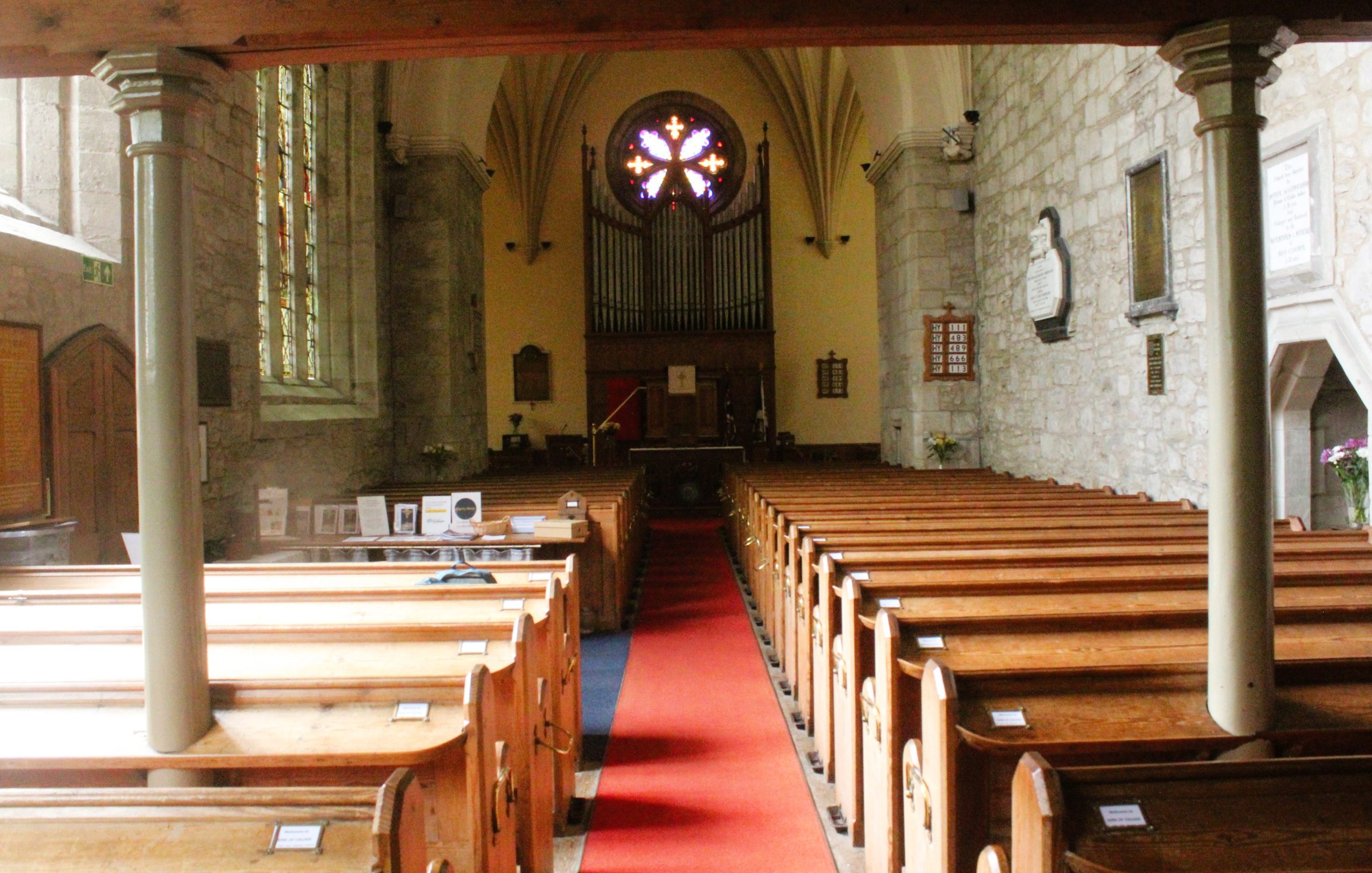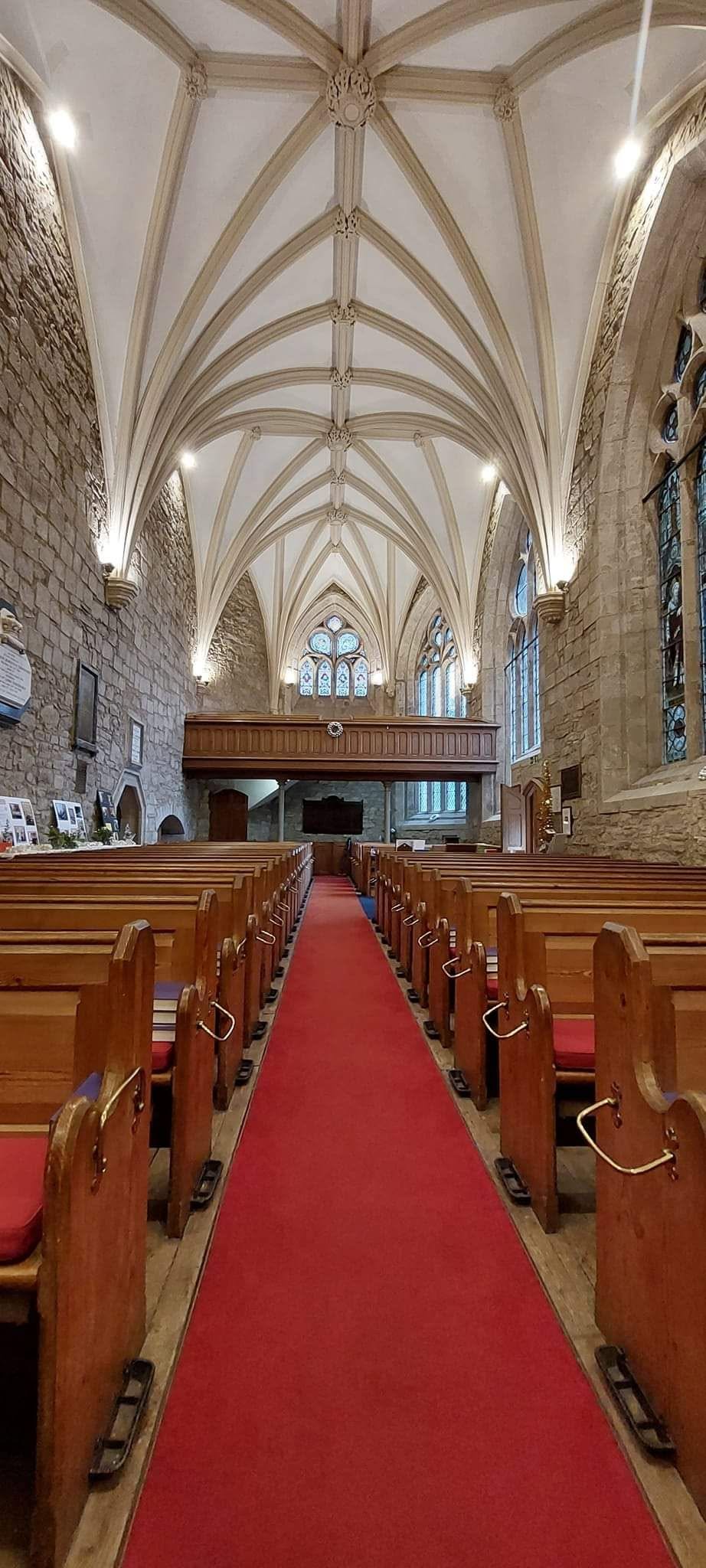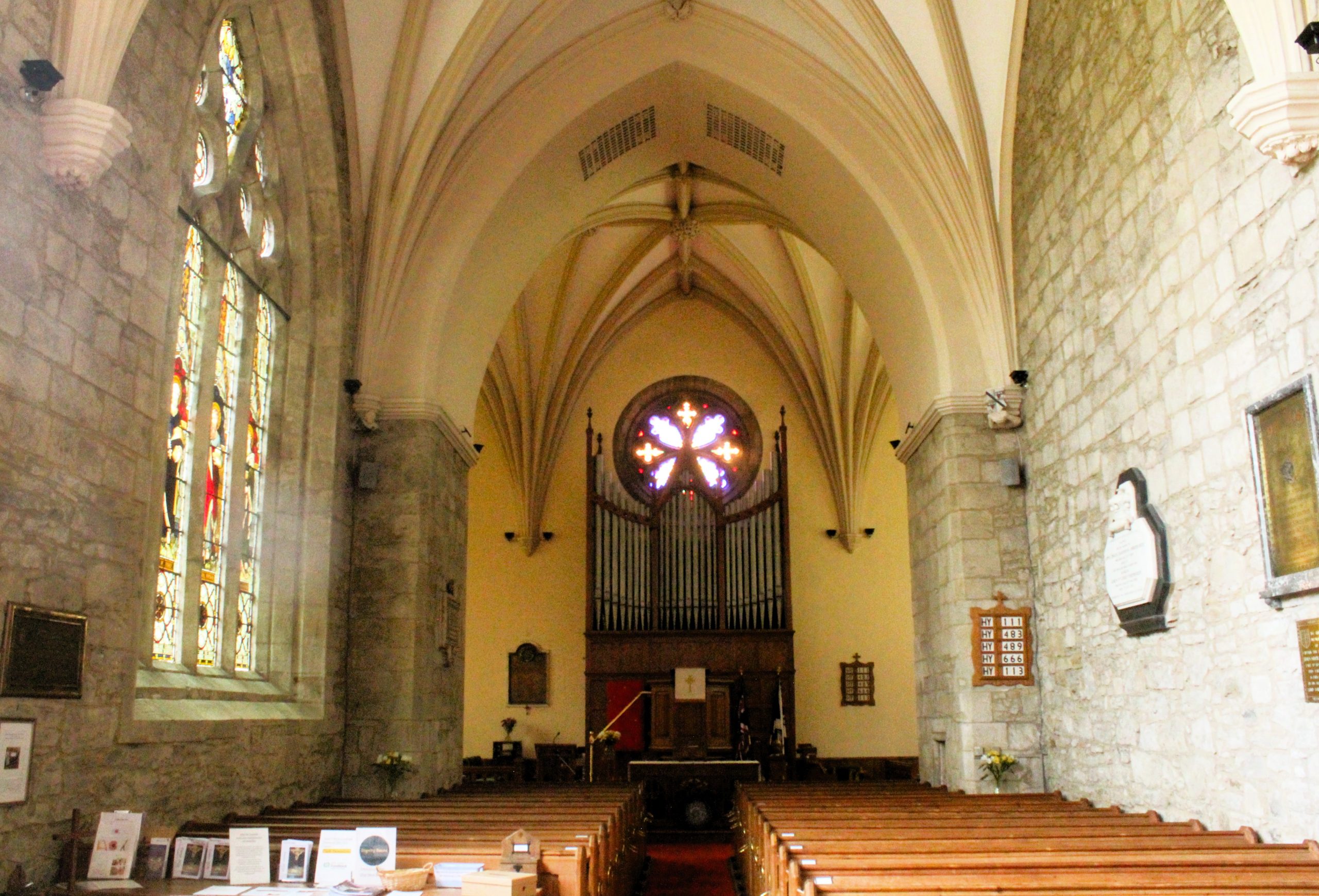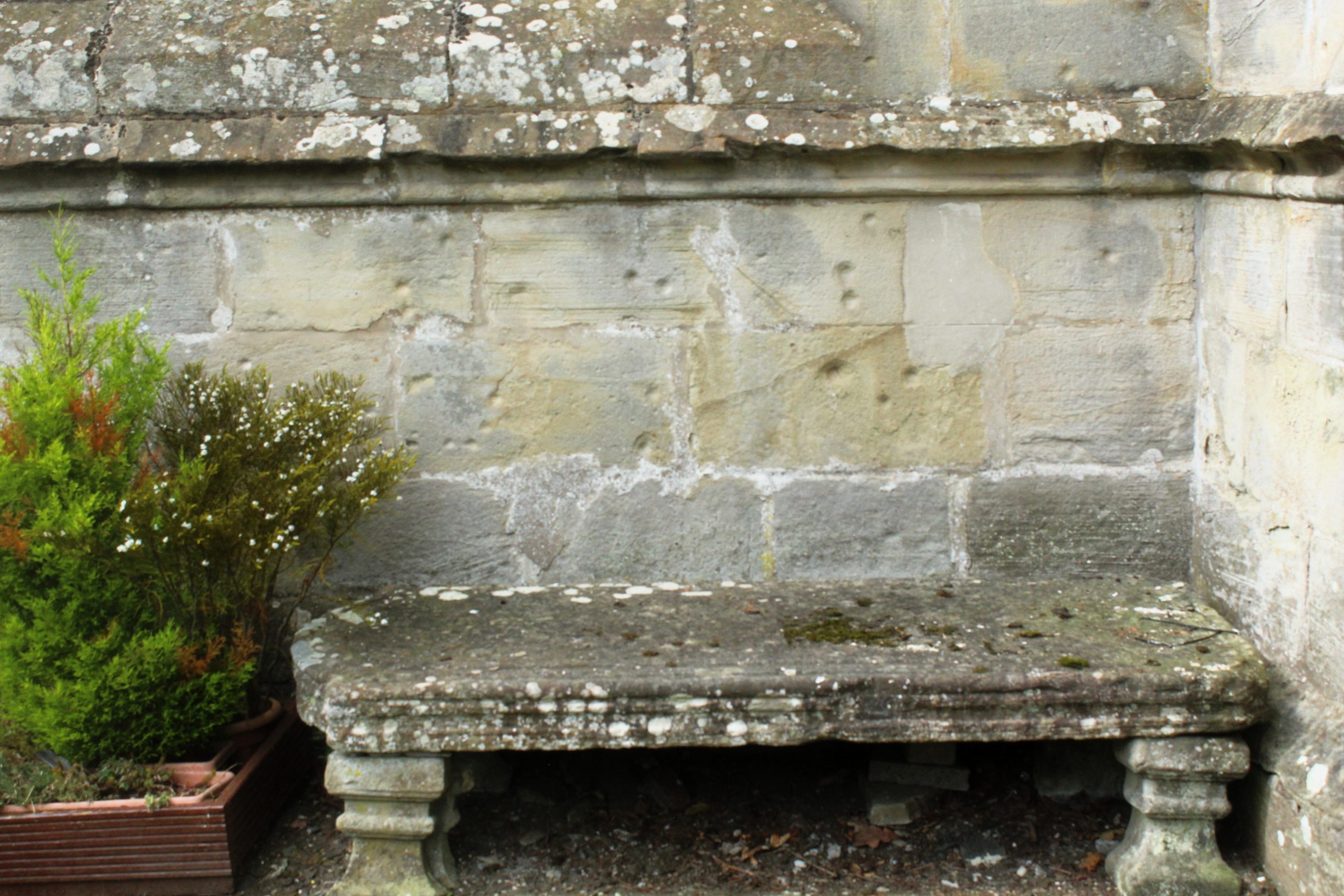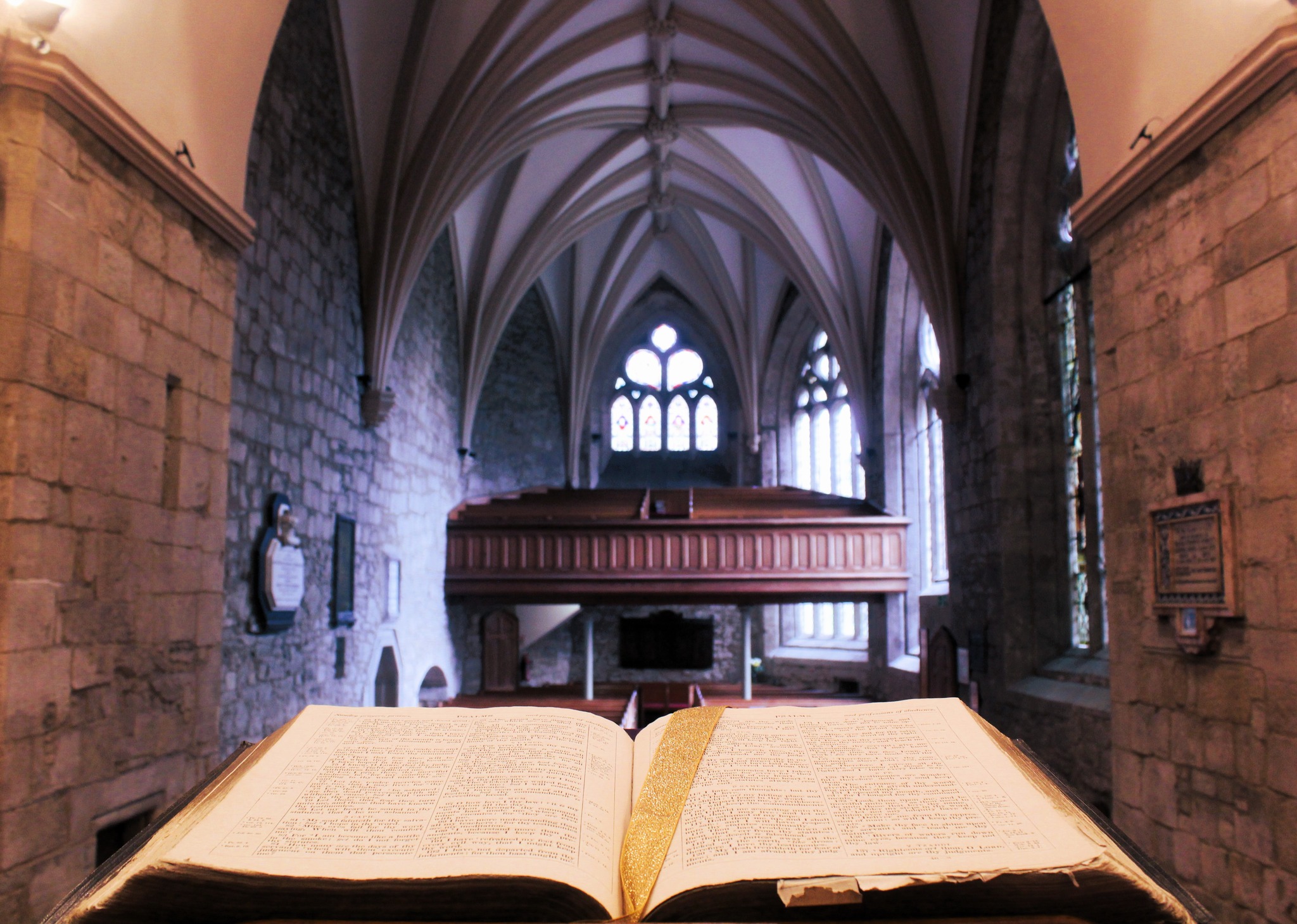
Kirk of Calder is a 16th century church dating from 1541 built on the site of an earlier 12th century church and with an extension added in the 1860s. Our church has close links with the Reformation of 1560 that swept aside centuries of Catholic tradition. The Reformation’s Protestant leader, John Knox, preached in our church and its grounds whilst staying at nearby Calder House at the invitation of the Laird, Sir James Sandilands, between 1555 and 1556. Whilst there, Knox celebrated the first Holy Communion after the reformed rite. Also, one of our ministers, John Spottiswoode the elder, helped draft the Scots Confession of 1560, a confession of faith guided by Knox. Musket-ball holes can be seen in the stonework outside the church’s main door that reflect the struggles of the Covenanters, a significant group within the Reformation.
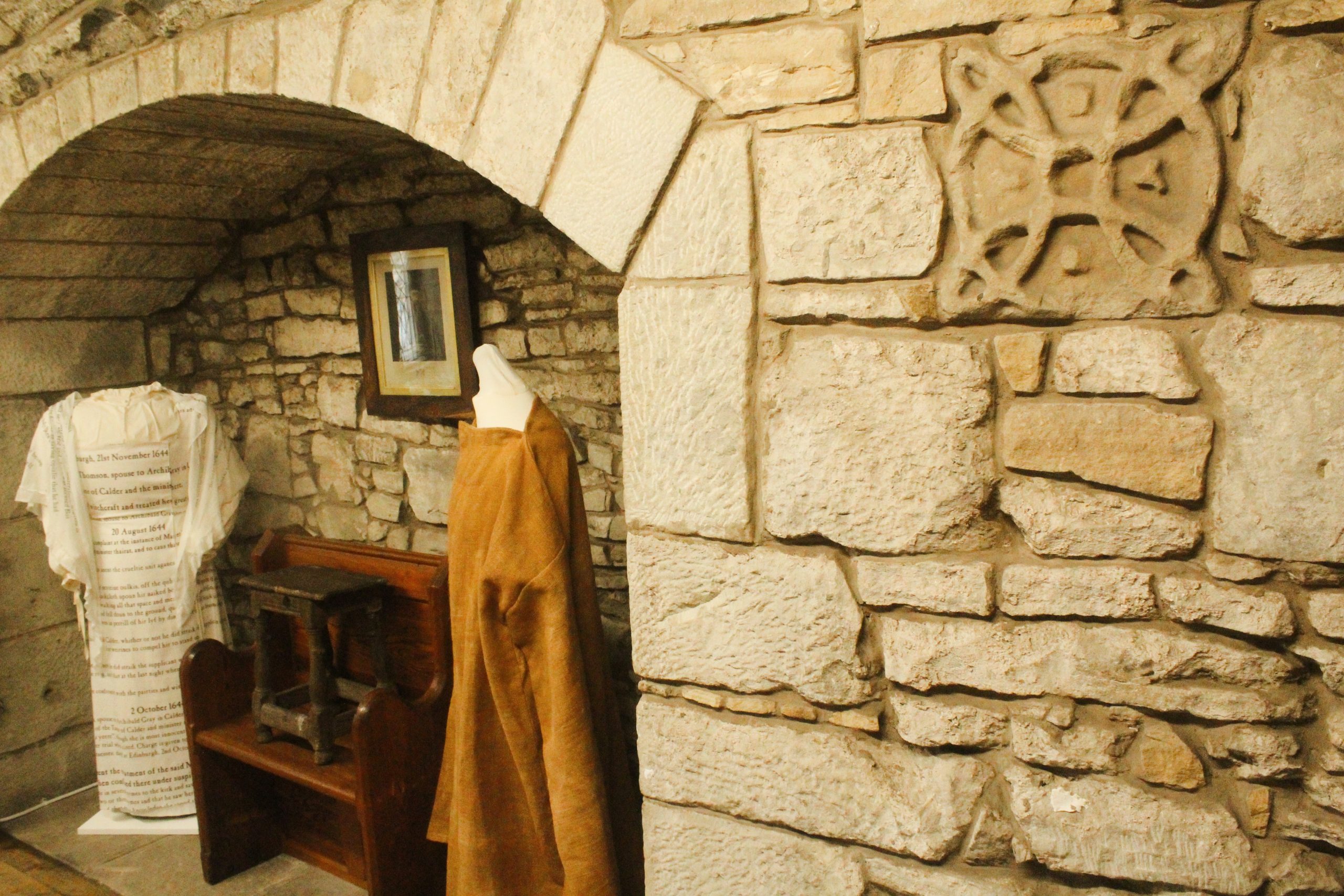
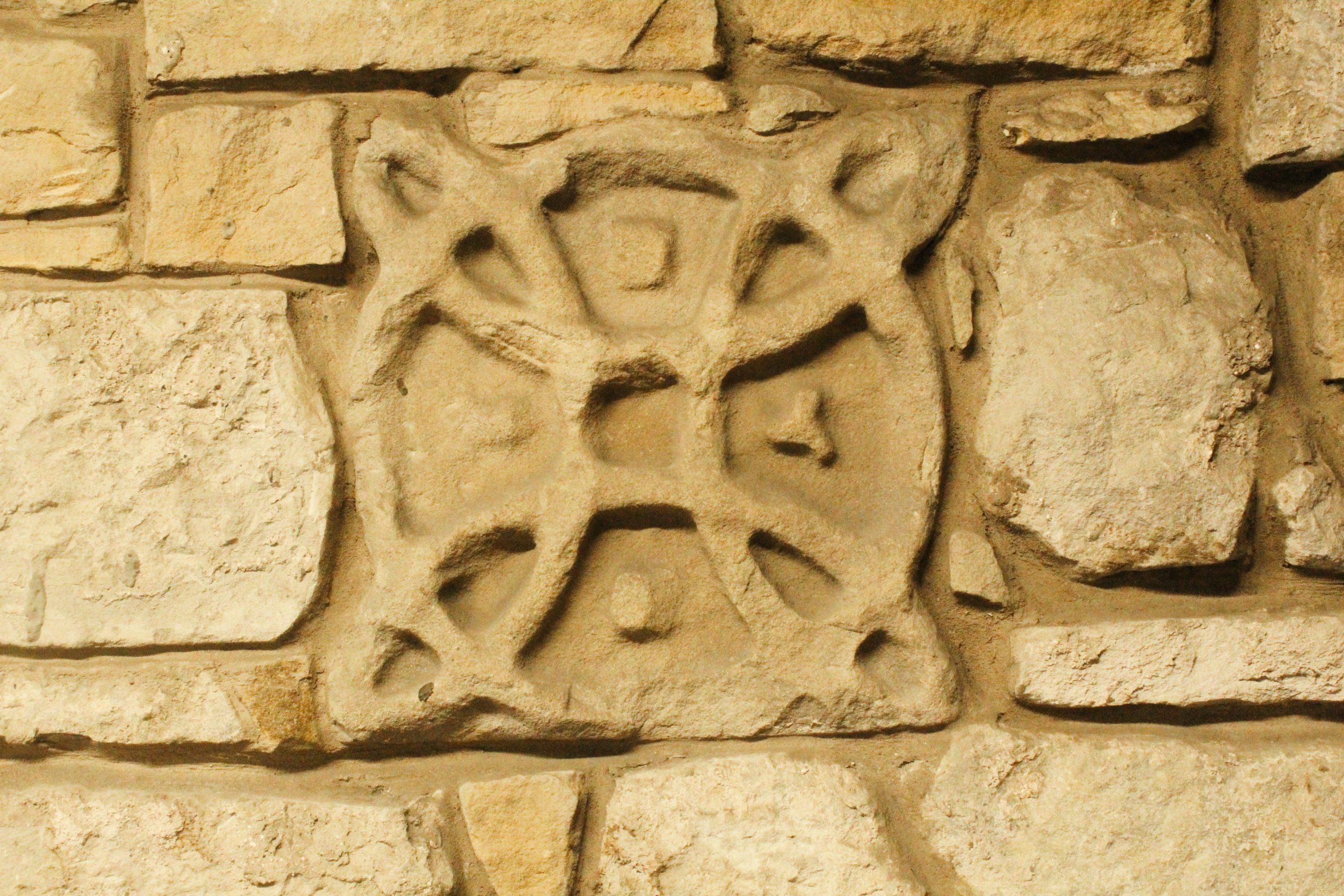
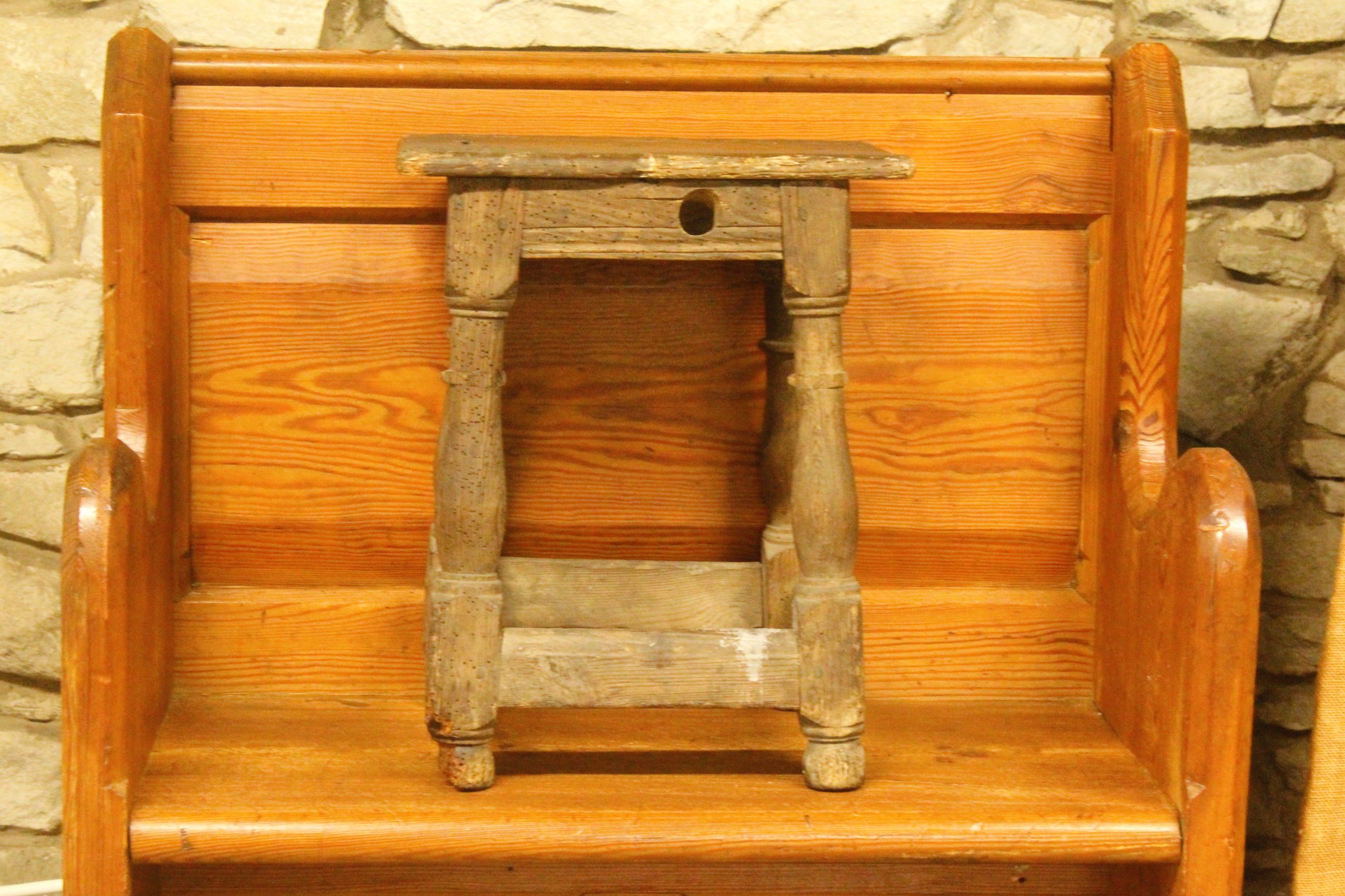
The spring of 1643, saw the ordination of Hew Kennedie at Kirk of Calder and his zealous mission to eradicate witchcraft from the Calder parish. At least five women were tortured and then executed under his watch. Thanks to the volunteer-led Calder Witch Hunt project, to explore and commemorate these innocent women, our church holds exhibits that include the original stool of repentance that the women were made to stand on as well as replica clothing and details of the trials and tribulations endured by the women. In August 2023 a memorial stone was placed in our vestry, where the women had been imprisoned and tortured, and it is believed that its setting within a Church of Scotland building makes it unique. Our vestry also houses one of two Celtic crosses from the original 12th century church; the National Museum of Scotland holds the other.
James ‘Paraffin’ Young and his family were regular worshippers at Kirk of Calder. One of the great innovators and chemists of his age, Young was a pioneer of the oil industry whose daughter donated two fine stained-glass windows. One is in memory of her parents and the other of her daughter Mary who died aged 12 and is buried in our church grounds. It is believed that the explorer David Livingstone, a close friend of Young, would also have visited our church during his stays with Young at Limefield House, Polbeth. Similarly, it is also felt that Polish composer and virtuoso pianist, Frederick Chopin, may have visited Kirk of Calder given his stay at Calder House with Lord and Lady Torphichen in 1848 initiated by Jane Stirling, sister of the 10th Lady Torphichen and pupil of Chopin. Such was her devotion that upon his death she became known as ‘Chopin’s Widow’.
Peter McLagan MP is buried at Kirk of Calder and his wife and step-daughter commemorated there. A graduate of Edinburgh University, and of humble origins, he was the first to exploit shale to produce oil rather than the cannel coal used by Young. However, and through his high standing in society, he eventually became an MP. When he left Parliament in 1893 he was the longest serving Scottish MP on record having served 28 years as MP for Linlithgowshire. Until 2019, it had been completely forgotten that McLagan, born in Demerara, was of mixed race making him the first mixed-race MP in Scotland. His commitment, decency, kindness and ability were all that mattered to the many that attended his funeral, one of the largest within our parish.
The Friends Kirk of Calder open the church to visitors 2- 4pm on Sundays, May to September and the Co-ordinator is Mr. John Jamieson 01506 411722.
For those who can’t visit John Jamieson has prepared a 14-minute-long Virtual Tour – click here
We now have a QR code in order that you can make payments for events or donations to the church.
Scan the code with your smart phone camera and follow the instructions!

Consider including a legacy to us in in your Will, and this will be fully recognised
See the ‘About Us’ section regarding booking our facilities. Contact Eleanor Blair for Hall Lettings and the Minister for Weddings/Baptisms and Funerals
Contact Us – See the About Us section for the most suitable person to contact. The e- mail contactus@kirkofcalder.com .